Ray Kerr Parents: What to Know About His Biological Family and Foster Mother Lisa McCarthy
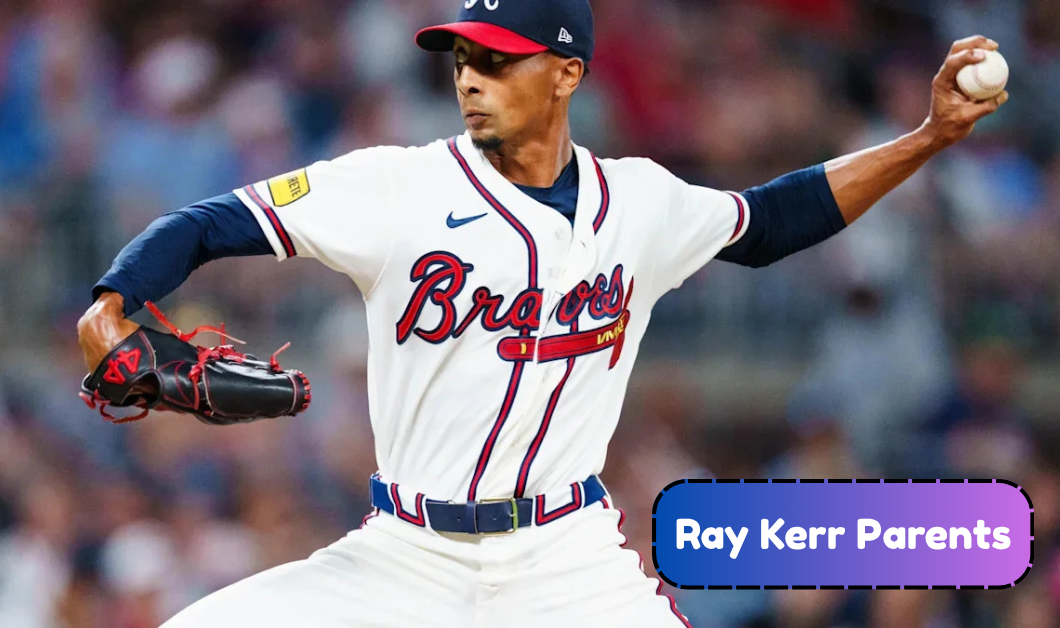
Ray Kerr’s journey to Major League Baseball is not a typical sports story. The Atlanta Braves pitcher has spoken about a childhood marked by instability, foster care and family circumstances that were far removed from the world of professional baseball.
While Kerr has become known for his work on the mound, his early years were shaped by experiences that had little to do with baseball. His biological father was in and out of prison, while his biological mother was absent from his childhood. Kerr and his brother, Richard, eventually entered foster care and moved between different placements.
Because of that history, there is limited publicly available information about the names of Kerr’s biological parents. The family story that has been discussed publicly instead focuses heavily on the people who stepped into his life and helped him find a different path.
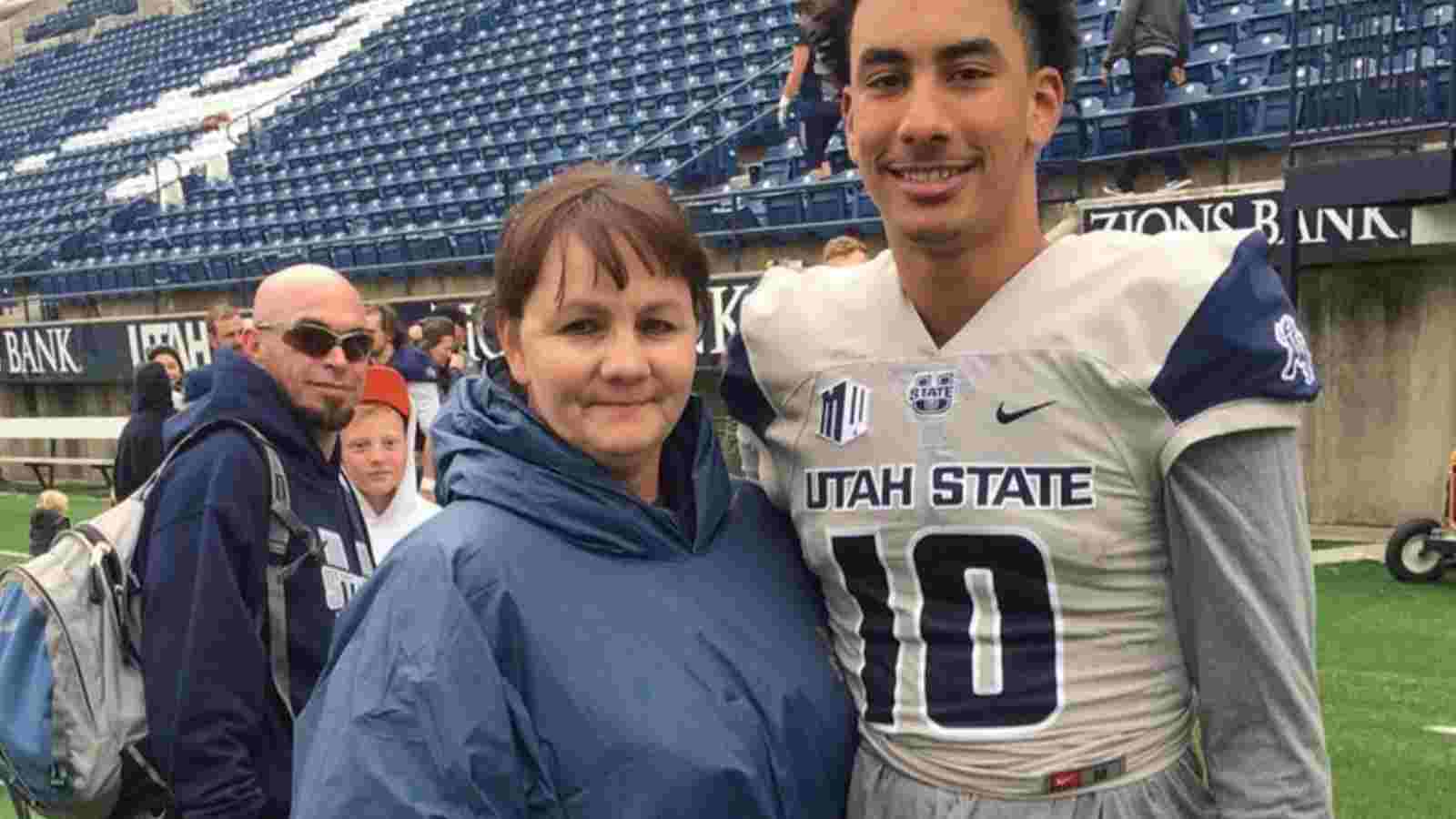
Among those people, Lisa McCarthy has had a particularly important role. Kerr considers her his foster mother, and he has credited her with providing stability and support at important moments in his life.
Who are Ray Kerr’s parents?
The identities and names of Ray Kerr’s biological parents have not been widely documented in public sources.
What has been reported about his childhood provides a difficult picture. Kerr’s biological father spent periods in prison, while his biological mother was not present during his upbringing.
As a result, Kerr and his brother Richard entered the foster care system. The brothers experienced multiple placements while growing up, part of a childhood that was far from stable.
Kerr was one of six siblings, meaning his family circumstances involved several children navigating the same difficult environment.
Rather than focusing publicly on the identities of his biological parents, Kerr’s story has often centered on the people who helped him later in life.
That includes Lisa McCarthy, whom Kerr regards as his foster mother.
Ray Kerr’s experience in foster care
Growing up in foster care meant Kerr had to adjust to different environments at a young age.
He and Richard moved between multiple placements after being removed from their unstable home situation. For a child, that kind of uncertainty can make it difficult to establish a consistent routine or sense of belonging.
Kerr’s eventual path to professional baseball therefore cannot be separated from the people who helped provide stability during different stages of his childhood.
His story also shows why the word “family” can have a broader meaning than biological relationships.
Lisa McCarthy became one of the most influential people in Kerr’s life. Her involvement extended well beyond providing a place to stay. She encouraged him, helped him stay grounded and supported his education and athletic ambitions.
That support became particularly important when Kerr’s baseball journey did not move in a straight line.
Lisa McCarthy became an important mother figure
Lisa McCarthy is the foster mother Ray Kerr has publicly credited as a major influence on his life.
Her role was especially significant because Kerr had already experienced instability in his biological family.
McCarthy helped give him a stronger foundation and remained supportive as he worked through difficult periods. Kerr has also credited her with helping him return to college after he had stepped away from baseball.
That decision eventually became an important turning point.
Without that encouragement, Kerr’s baseball career could have taken a very different direction.
For Kerr, McCarthy was not simply someone connected to his time in foster care. She became someone he could depend on and someone who believed in his potential.
Baseball was not always the clear path
It can be easy to look at an MLB pitcher and assume professional baseball was always the goal.
Kerr’s story was more complicated.
There were periods when baseball appeared to be slipping away from him. He eventually left the sport and had to find his way back.
According to accounts of his life, one of the important stages of his journey involved working jobs that had little connection to professional athletics. His story has included humble experiences such as cleaning up popcorn at a movie theater.
Those years give some context to the distance Kerr traveled before reaching the major leagues.
The path from foster care to MLB was not a straight climb. There were setbacks, uncertainty and moments when baseball itself was no longer guaranteed to be part of his future.
Lisa McCarthy’s support helped him reconsider that direction.
How Lisa McCarthy helped his baseball dream
Kerr has credited McCarthy with helping him return to college when he had given up on baseball.
Her support was practical as well as emotional. She helped fund opportunities that allowed Kerr to continue pursuing his athletic goals.
That investment in him mattered because Kerr had to rebuild his baseball career rather than simply continue along a traditional prospect pathway.
For someone who had already dealt with instability during childhood, having an adult who continued to believe in him provided an important source of encouragement.
Kerr’s eventual arrival in professional baseball made that earlier support even more meaningful.
His career became evidence of how different his future could look from the circumstances of his childhood.
Ray Kerr’s brother Richard and his siblings
Richard, Ray Kerr’s brother, also experienced foster care with him.
The two brothers were part of a larger family, as Kerr grew up as one of six siblings. Their childhood was shaped by the same unstable circumstances surrounding their biological parents.
Although Kerr has become the family member most visible to sports fans because of his MLB career, his story is also connected to the siblings who shared those early experiences.
The details of his siblings’ lives have remained largely private, which is understandable given how personal the family’s history is.
What is known is that Ray did not experience his childhood circumstances alone. His brother Richard was part of that journey, including the transition into foster care.
From difficult childhood to Major League Baseball
Kerr eventually turned his baseball career into a professional opportunity.
His journey included college baseball, the minor leagues and the long process required to reach MLB. By the time he made it to the majors, he had already overcome obstacles that had nothing to do with pitching mechanics or competition on the field.
That background gives greater context to his professional career.
For many players, reaching MLB represents years of training and competition. For Kerr, it also represented a major change from the circumstances of his youth.
The Braves pitcher has had to navigate injuries and career setbacks as a professional as well, but his earlier experiences had already taught him about persistence and starting over.
Ray Kerr’s family story remains partly private
There are still gaps in the public record concerning Kerr’s biological parents and some details of his early family life.
That distinction is important. The public information available about his childhood comes primarily from accounts of his experiences, while the names and fuller backgrounds of his biological parents have not been broadly disclosed.
As a result, it would be inaccurate to fill those gaps with assumptions.
What can be established is that Kerr’s biological father was repeatedly incarcerated, his biological mother was absent, and he and his brother entered foster care. Lisa McCarthy later became a major parental figure and supporter.
Those facts provide enough context to understand why his foster family has been such an important part of his story.
The people behind Ray Kerr’s MLB journey
Ray Kerr’s baseball career is about much more than statistics and innings pitched.
His childhood included foster care, multiple placements and a lack of consistent parental support from his biological parents. His brother Richard shared some of those experiences, while Kerr’s relationship with Lisa McCarthy became a major source of stability.
McCarthy encouraged him when baseball seemed to be over and helped him return to college. She also supported opportunities that allowed him to continue chasing his athletic goals.
That support became part of the foundation for a career that eventually brought Kerr to Major League Baseball.
Today, fans may know him primarily as an Atlanta Braves pitcher, but his path to the majors began much earlier and under very different circumstances.
The names of Ray Kerr’s biological parents remain largely private in the public record. What is much clearer is the role played by the people who stepped forward during his childhood and later encouraged him to keep moving toward a different future.
For Kerr, family has not been defined only by biology. His story is also about the foster care system, his brother Richard and, most importantly, Lisa McCarthy, the foster mother he has credited with helping change the direction of his life.