Chris Fagan: Brisbane Lions Coach and AFL Legacy
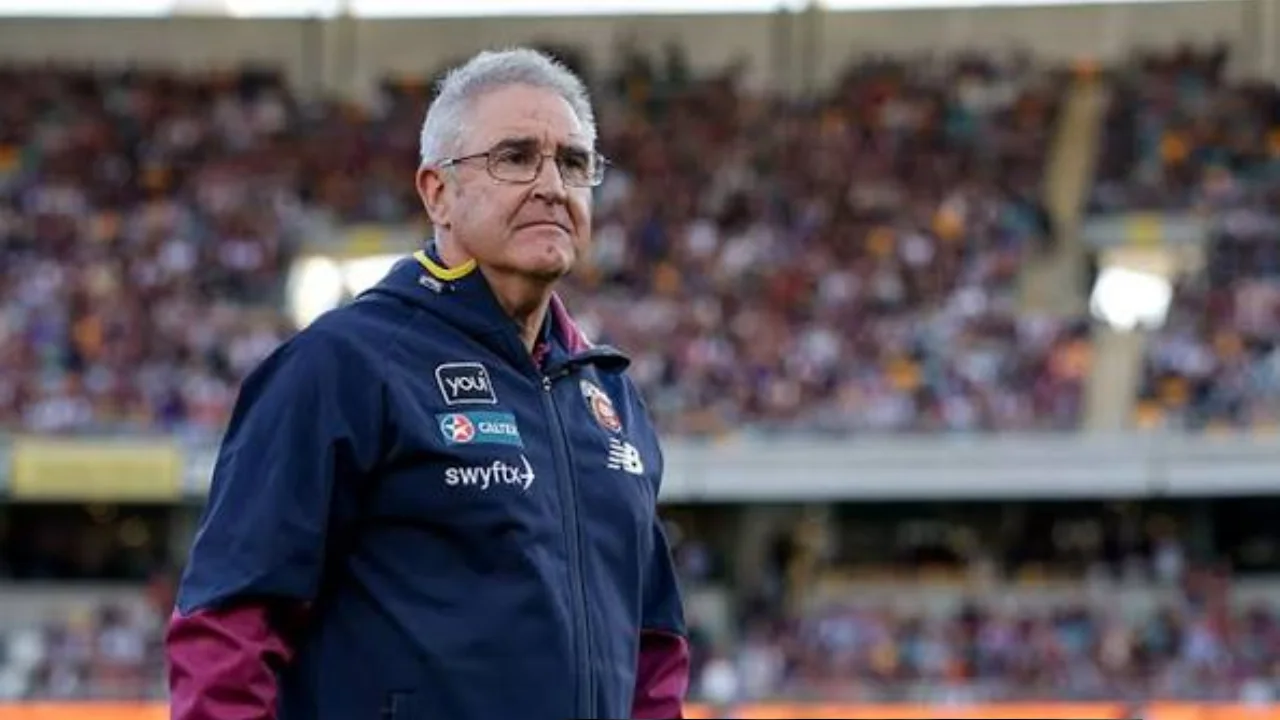
Chris Fagan has become one of the defining coaches of the modern AFL era. The Brisbane Lions mentor took over a struggling club in 2017, rebuilt its belief and guided it back to the top of the competition. After leading Brisbane to premierships in 2024 and 2025, Fagan entered 2026 chasing an extraordinary third consecutive flag.
His journey is unusual in elite football. Fagan did not play at VFL or AFL level, did not become a senior AFL coach until his mid-50s and inherited a team that had spent years outside the finals picture. Yet he turned those perceived disadvantages into strengths.
He brought patience, experience, a deep understanding of people and a coaching style built around connection. For Brisbane supporters, Chris Fagan is not simply the head coach. He is the man who helped restore the Lions’ confidence, culture and identity.
Who Is Chris Fagan?
Chris Fagan is the senior coach of the Brisbane Lions. Born in Queenstown, Tasmania, in June 1961, he built his football knowledge through a long playing and coaching career in his home state before moving into AFL roles.
Fagan played senior football in Tasmania with clubs including Hobart, Sandy Bay and Devonport. He was never an AFL player, but he was far from inexperienced. He played more than 260 senior games in Tasmania and represented the state multiple times.
His football career began well before his move into the national competition. He won premierships as a player and developed a reputation for understanding the game from every angle.
Before football became his full-time professional world, Fagan worked as a teacher. That background is often mentioned when people discuss his coaching style. He has a natural ability to teach, explain, listen and help players improve without making every conversation feel like a lecture.
That people-first approach has become one of the key reasons behind his success.
Chris Fagan’s Long Road to AFL Coaching
Fagan’s route to senior AFL coaching was far from quick.
He started building his coaching experience in Tasmania, including work with the Tasmanian under-18 system. That role helped him develop young players and understand the importance of pathways. He also learned how to build a team culture from the ground up.
His first major AFL opportunity came with Melbourne. Fagan joined the club in the late 1990s and spent years working in different positions, including reserves coach, assistant coach and football operations roles.
He later moved to Hawthorn, where his career took another major step forward. At the Hawks, Fagan worked as head of coaching and development before becoming general manager of football.
Hawthorn were one of the strongest clubs in the competition during that period. Fagan was part of the football department through multiple premiership campaigns, including flags in 2008, 2013, 2014 and 2015.
Those years gave him an invaluable education. He learned what elite preparation looked like, how successful teams manage pressure and how clubs can keep standards high over a long period.
By the time Brisbane approached him in 2016, he had already completed a lengthy apprenticeship. He was ready, even if some people questioned whether a 55-year-old first-time senior coach was the right appointment.
Taking Over a Struggling Brisbane Lions
When Fagan became Brisbane coach for the 2017 season, the Lions were in a difficult position.
The club had once been an AFL powerhouse, winning three consecutive premierships from 2001 to 2003. But by the middle of the 2010s, Brisbane had fallen well down the ladder. The team lacked confidence, had lost experienced players and was struggling to attract talent.
Fagan did not promise instant results. He focused on the basics.
He wanted players to believe in themselves again. He wanted the club to become a place where young footballers wanted to stay. He wanted the Lions to play with energy, discipline and a strong sense of team responsibility.
The early years were not easy. Brisbane finished near the bottom in Fagan’s first two seasons. But the changes were happening behind the scenes. Younger players were developing, the game plan was becoming clearer and the club was beginning to look more connected.
Then came 2019.
The Lions finished second on the ladder and returned to the finals for the first time in a decade. It was one of the quickest and most impressive turnarounds in recent AFL history.
Building the Brisbane Lions Culture
Chris Fagan’s biggest achievement may be the culture he helped create.
The Lions are known for their strong relationships, their work rate and their ability to stay united during difficult moments. Those traits do not appear by accident. They come from leadership and from a coach who understands that players are people before they are athletes.
Fagan has often spoken about care, trust and giving players confidence. He wants his footballers to take responsibility, but he also wants them to know they have support when things go wrong.
That balance has made him popular with players.
Brisbane’s group includes major stars such as Lachie Neale, Hugh McCluggage, Josh Dunkley, Charlie Cameron, Harris Andrews and the Ashcroft brothers. But the team’s strength has never been just individual talent. The Lions have been able to keep competing because players understand their roles and work for each other.
Fagan has created an environment where experienced leaders and younger players can both contribute. That is one reason Brisbane have remained a force even as the competition gets tighter every year.
The Oldest Grand Final Coach Record
Fagan made headlines in 2023 when he became the oldest first-time AFL grand final coach. At 62, he led Brisbane to the MCG to face Collingwood after a long journey as a teacher, Tasmanian football figure and AFL assistant.
Although Brisbane fell short that day, reaching the grand final was a major moment. It proved that the Lions were no longer a rebuilding team. They belonged among the competition’s elite.
That loss also seemed to make the group stronger.
In 2024, Fagan guided Brisbane to a premiership, ending a long wait for the club. The following year, the Lions won again, making him the oldest premiership coach in VFL and AFL history.
His success has challenged the idea that senior coaches must be young, recently retired players or former AFL superstars. Fagan did not need that background because he had something else: decades of football knowledge and the ability to connect with people.
Premiership Success With Brisbane
The 2024 premiership was a huge moment for Chris Fagan and Brisbane.
After the disappointment of the 2023 grand final, the Lions returned with greater belief and resilience. Fagan’s coaching was praised for helping the team stay calm, especially when matches became tight.
Winning one flag is difficult. Winning back-to-back premierships is even harder.
Brisbane’s 2025 success showed that the first title was not a one-off. The Lions had become a team capable of handling the pressure that comes with being hunted by every other club.
Fagan’s influence was clear. He maintained standards while allowing the players to play with freedom. He trusted his leaders, backed his younger footballers and kept the group focused on what it could control.
The Lions entered 2026 with the chance to complete a historic three-peat. That placed them in the company of Brisbane’s legendary early-2000s team, which remains one of the greatest sides in AFL history.
A Coach Who Never Played AFL Football
One of the most inspiring parts of Chris Fagan’s story is that he reached the top of the sport without playing in the AFL.
There is often an assumption that the best coaches must have been elite players. Fagan proves that football knowledge can come from many places.
He played at a high level in Tasmania, coached young players, worked in development, managed football departments and spent years learning from successful AFL environments. Every stage added something to his coaching.
His journey shows that there is no single path to leadership.
Fagan’s experience as a teacher also helped shape his approach. Great coaching is partly about tactics, but it is also about communication. Players need to understand why they are being asked to do something. They need to feel trusted and they need to believe the coach understands them.
Fagan has consistently shown that ability.
Chris Fagan’s Influence on Young Players
The Brisbane Lions have developed a number of young stars during Fagan’s time as coach.
Will Ashcroft has become one of the competition’s biggest talents. His brother Levi has added more excitement to the Lions’ future. Logan Morris, Jaspa Fletcher and others have also benefited from being part of a winning environment.
Fagan’s strength with younger players is that he does not expect them to become finished products straight away. He gives them clarity, encouragement and responsibility.
Young players make mistakes. Every coach knows that. But Fagan has been willing to trust them in major moments, which helps build confidence.
This has been important for Brisbane because the club has managed to combine experienced champions with a new generation. That balance is often what separates a good team from one that can stay successful over many seasons.
The Family Man Behind the Coach
Away from football, Chris Fagan has spoken warmly about his wife, Ursula, their daughters and grandchildren.
Coaching at the AFL level can take over every part of life. It involves travel, pressure, media attention and endless preparation. Fagan has acknowledged the sacrifices his family has made during his long career.
That awareness fits with his reputation as a grounded and thoughtful person.
He has achieved more than most coaches ever do, but he still comes across as someone who values relationships over status. That is perhaps why players respond so well to him. They know he cares about the football, but they also know he cares about the people wearing the jumper.
Chris Fagan’s Lasting AFL Legacy
Chris Fagan’s legacy is already secure.
He rebuilt the Brisbane Lions from a struggling club into a premiership-winning force. He became a senior coach later than almost anyone expected and proved that experience, patience and human connection can be just as valuable as a famous playing career.
He has coached grand finals, won premierships, developed young stars and helped restore Brisbane as one of the AFL’s most respected clubs.
More importantly, he has shown that the best leaders do not always follow the obvious path.
For football fans, Chris Fagan’s story is about resilience. For Brisbane supporters, it is about belief. And for young coaches watching from the outside, it is proof that a long road can still lead to the biggest stage in the game.