Lindsay Clancy Case: Why the Lone Holdout Juror Is Challenging Fellow Jurors’ Claims
The lawyer representing the lone holdout juror in Lindsay Clancy’s murder trial is pushing back strongly against claims that his client expressed reasonable doubt during deliberations before refusing to join the other jurors.
Attorney Edward Paltzik says Michael P. Desronvil had “zero doubt” about his position in the closely watched Massachusetts case. According to Paltzik, Desronvil believed there was substantial evidence supporting his conclusion after weeks of testimony and seven days of jury deliberations.
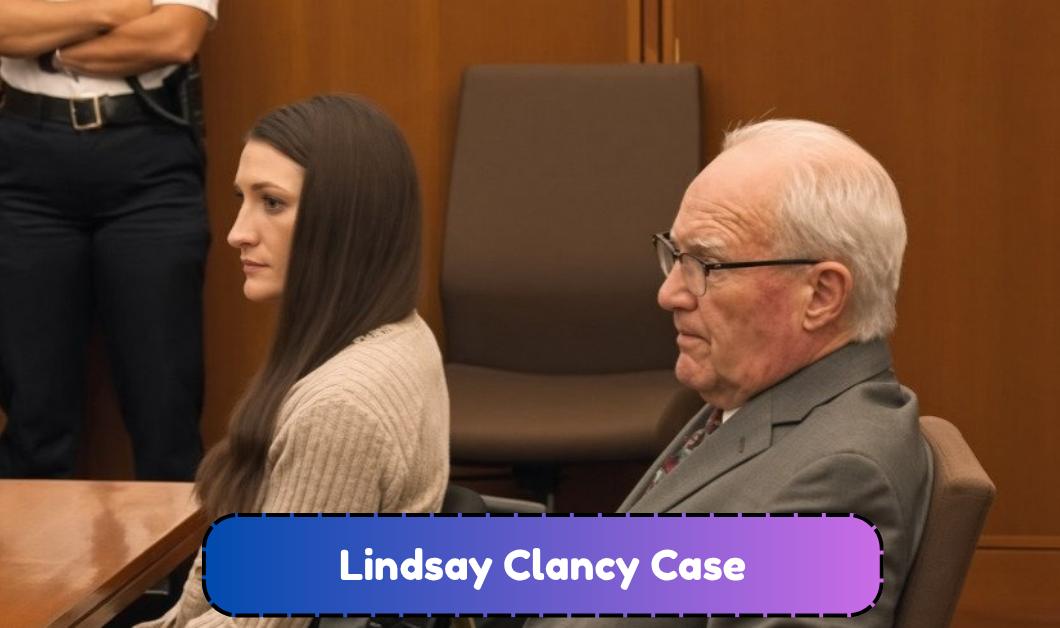
The disagreement over what happened inside the jury room has become a major part of the aftermath of Clancy’s trial, which ended in a mistrial on September 4, 2026. Clancy remains charged in the deaths of her three young children, while her attorneys are now trying to prevent the case from being tried again.
What Did Michael Desronvil’s Lawyer Say?
Paltzik directly rejected claims that Desronvil had admitted during deliberations that he had reasonable doubt.
Asked whether his client ever reached that point, the attorney said Desronvil had no doubt about his position.
Paltzik also maintained that the juror’s view was based on what he considered a large amount of evidence presented during the trial.
That position matches a statement previously released on Desronvil’s behalf.
Desronvil said he did not have doubts about his conclusion and argued that some of his attempts to discuss different theories during deliberations were interpreted incorrectly by other jurors.
He has maintained that he believed the physical evidence, witness testimony and prosecution case supported the conclusion that Clancy understood what she was doing.
That account directly conflicts with statements from several other members of the jury.
Who Is Michael P. Desronvil?
Michael P. Desronvil is the juror who declined to join the other 11 members of the panel in reaching a verdict favorable to Clancy’s criminal responsibility defense.
He became the focus of widespread public attention immediately after the mistrial.
Other jurors subsequently spoke publicly about the difficult deliberations, describing repeated discussions over medical evidence, toxicology findings and the legal meaning of reasonable doubt.
Desronvil, through his attorney, has disputed parts of their account.
His position is that he evaluated the evidence independently and reached a conclusion he could not abandon simply because the rest of the panel disagreed.
The dispute has placed unusual attention on jury deliberations, which are normally conducted privately and without jurors later publicly debating one another’s reasoning.
What Happened in the Lindsay Clancy Trial?
Lindsay Clancy was charged with three counts of first-degree murder in connection with the January 2023 deaths of her children at the family home in Duxbury, Massachusetts.
Her children were Cora, 5, Dawson, 3, and Callan, who was 8 months old.
Clancy has acknowledged killing the children, but the central question at trial was whether she was criminally responsible for her actions.
Her defense argued that she was suffering from postpartum psychosis and severe mental illness at the time.
Prosecutors presented a different interpretation, arguing that the evidence showed planning and that Clancy understood what she was doing and knew it was wrong.
That disagreement became the central issue the jury had to resolve.
Jury Deliberations Lasted Seven Days
The trial included more than five weeks of testimony before jurors began deliberating.
Those deliberations stretched across seven days.
Eventually, the jury informed Judge William Sullivan that it could not reach a unanimous decision.
Public statements from jurors and later court filings indicated the panel was divided 11 to 1, with Desronvil as the sole holdout.
The other jurors were prepared to find Clancy not criminally responsible because of mental illness, according to their accounts.
Desronvil remained unwilling to reach that conclusion.
With no indication that further deliberations would produce unanimity, Sullivan declared a mistrial.
That decision did not acquit or convict Clancy. Instead, it left the criminal charges unresolved.
Other Jurors Dispute Desronvil’s Account
The disagreement did not end when the jury left the courthouse.
Jury foreperson Roni Carlson later said Desronvil had acknowledged reasonable doubt at one stage of the deliberations.
According to Carlson, she believed the group was finally close to completing its verdict paperwork before the disagreement continued.
Another juror, Paula Devlin, publicly criticized Desronvil’s approach and said the panel repeatedly reviewed evidence with him.
These comments have become important because Desronvil tells the story differently.
He says he was discussing possible interpretations of the evidence, not admitting that he personally held reasonable doubt.
His attorney now says there should be no confusion about his position.
From Desronvil’s perspective, he remained convinced throughout the process.
Why the Reasonable Doubt Dispute Matters
The disagreement is more than an argument between former jurors.
It has become part of Clancy’s legal team’s effort to stop another prosecution.
The defense has argued that the judge should have more thoroughly investigated complaints from jurors about whether the holdout was properly applying the court’s instructions.
During deliberations, Sullivan reminded the jury of the legal standard surrounding reasonable doubt and the obligation to follow his instructions.
The defense later argued that the concerns raised about the holdout required further judicial inquiry.
Desronvil’s attorney rejects the suggestion that his client ignored the law.
That disagreement is now likely to receive further attention as the court considers post-trial motions.
Clancy’s Lawyers Want the Judge to End the Case
Clancy’s attorney, Kevin Reddington, has renewed a request for a required finding of not guilty.
The defense argues that the trial evidence was legally insufficient to establish beyond a reasonable doubt that Clancy was criminally responsible.
If the judge granted such a finding, it could prevent another trial.
Her attorneys have also raised a separate double-jeopardy argument.
They contend that circumstances surrounding the declaration of the mistrial and the handling of the jury dispute should prevent prosecutors from trying Clancy again.
Those arguments have not yet resolved the case.
The prosecution has also not publicly completed the process of deciding what comes next if the defense motions fail.
What Happens Next in the Lindsay Clancy Case?
A status hearing is scheduled for September 29 in Plymouth Superior Court.
Judge Sullivan is expected to consider issues surrounding the unresolved criminal case, including defense efforts to prevent another trial.
A retrial remains one possible outcome.
The court could also address motions seeking to end the prosecution before a second jury is selected.
Until those questions are decided, the murder charges remain pending.
Clancy continues to receive psychiatric treatment while in state custody.
The September hearing therefore represents an important next stage in a case that has already lasted more than three years.
The Case Has Renewed Debate Over Postpartum Psychosis
Beyond the courtroom, the Clancy case has generated national discussion about postpartum mental illness and the way criminal courts evaluate defendants with severe psychiatric conditions.
The defense presented postpartum psychosis as central to understanding Clancy’s state of mind.
The prosecution did not dispute that she had experienced mental health difficulties, but challenged the defense’s argument about her legal responsibility at the time of the killings.
Those are separate questions.
A mental health diagnosis does not automatically determine criminal responsibility. Jurors must apply the specific legal standard provided by the court to the evidence in the case.
That distinction was at the center of the trial and ultimately proved impossible for this jury to resolve unanimously.
Mistrial Leaves Major Questions Unanswered
The first Lindsay Clancy trial ended without the certainty that normally follows a jury verdict.
Eleven jurors reportedly reached one conclusion about criminal responsibility. Desronvil reached another.
Now even the events inside the deliberation room are disputed.
Desronvil says he never had reasonable doubt. Several fellow jurors say their experience of the deliberations was different. His attorney insists the holdout’s position was supported by extensive evidence and should not be portrayed as a refusal to follow the law.
The court, rather than the former jurors or public debate surrounding them, will decide the next legal steps.
For now, Clancy has neither been convicted nor acquitted, the charges remain pending, and the September 29 hearing could determine whether Massachusetts prosecutors receive another opportunity to present the case to a jury.