Who Was Hannah Chaplin? Inside the Life, Career and Struggles of Charlie Chaplin’s Mother
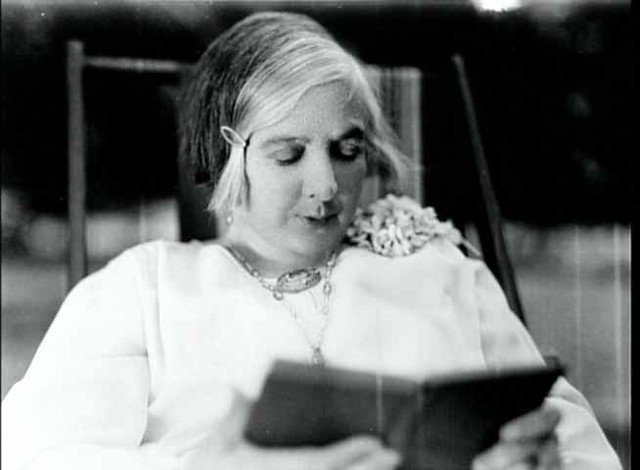
Hannah Chaplin lived a life filled with performance, hardship, motherhood and dramatic changes in fortune. Born Hannah Harriet Pedlingham Hill in London in 1865, she became a music hall performer under the stage name Lily Harley before becoming best known as the mother of legendary filmmaker and comedian Charlie Chaplin.
Her own stage career was relatively brief, yet Hannah’s influence on entertainment history proved enormous. Charlie later credited his mother’s gift for observation, mimicry and storytelling as an important foundation for his own approach to pantomime and physical comedy.
Behind that artistic influence was a much more difficult personal story. Hannah experienced poverty, the breakdown of her marriage, declining health and recurring mental illness. Her sons Charlie and Sydney spent parts of their childhood in institutions for impoverished children while she struggled to support the family.
Her final years were far more comfortable. Once Charlie and Sydney became successful, they brought their mother to the United States and provided her with a home and professional care until her death in 1928.
Hannah Chaplin’s Early Life in London
Hannah Chaplin was born on August 6, 1865, in Walworth, London.
Her birth name was Hannah Harriet Pedlingham Hill. Her father, Charles Frederick Hill, worked as a shoemaker, while her mother was Mary Ann Hodges. Hannah grew up in a working-class part of London during a period when opportunities for young women from modest backgrounds were limited.
Entertainment offered one possible route toward independence.
At around 16 years old, Hannah left home and pursued work on the stage. British music halls were booming at the time, providing audiences with songs, comedy routines, dancing and short theatrical performances.
Hannah adopted the stage name Lily Harley and began appearing as a singer, dancer and actress.
Her stage name reflected the glamorous world she was attempting to enter, and she achieved a degree of success in the British music hall circuit.
Although she would never become one of the biggest stars of her generation, her talent was remembered within the Chaplin family long after her professional career ended.
Her Career as Lily Harley
Performing as Lily Harley, Hannah became known for singing and character comedy.
Records of her professional career date back to the early 1880s. One surviving theatrical notice from 1883 advertised “Miss Lillie Harley” and described her appearance in Portsmouth as a success.
Music hall required performers to be adaptable. An entertainer needed to hold the attention of audiences that could sometimes be loud, demanding and unsympathetic.
Hannah developed abilities that went beyond singing.
She was particularly skilled at watching people and copying their movements, voices and mannerisms. Years later, Charlie Chaplin would remember how she entertained her children at home by singing, dancing, reciting material and imitating other performers.
Those simple family performances ultimately became part of Charlie’s artistic education.
Marriage to Charles Chaplin Sr.
During her years in entertainment, Hannah met fellow music hall performer Charles Chaplin Sr.
Charles was a singer and entertainer whose career initially showed considerable promise.
Hannah and Charles married on June 22, 1885.
Their personal lives, however, were complicated even before their marriage.
Hannah had already given birth to her first son, Sydney John Hill, in March 1885. Historical research has connected Sydney’s biological father with a man named Sidney Hawkes, while Charles Chaplin Sr. later became Sydney’s legal father figure.
Four years later, Hannah gave birth to Charles Spencer Chaplin on April 16, 1889.
Charlie was Hannah and Charles Sr.’s child together and would eventually become one of the defining figures of early cinema.
The marriage did not remain stable for long.
Hannah Chaplin’s Three Sons
Hannah was the mother of three sons whose lives would all eventually become connected with entertainment.
Sydney Chaplin, her eldest, became an actor and worked closely with Charlie during different stages of their careers.
Charlie Chaplin became an actor, writer, director, producer and composer whose Little Tramp character made him internationally famous.
Hannah’s third son was Wheeler Dryden, born in 1892 from her relationship with entertainer Leo Dryden.
Wheeler was taken away by his father while still an infant. Hannah therefore spent many years separated from her youngest son.
He eventually learned that Charlie Chaplin was his half-brother while working as a performer himself. Hannah was finally reunited with Wheeler during the later years of her life in America.
The separation from Wheeler added another painful chapter to an already difficult family life.
The Performance That Changed Charlie Chaplin’s Life
One of the most famous stories in the Hannah Chaplin biography concerns a night when her voice failed during a performance.
Charlie was still a young child and had accompanied his mother to the theatre.
During a difficult performance before a tough audience, Hannah’s singing voice suddenly gave out.
With the crowd becoming restless, the young Charlie was sent onto the stage.
He was only about five years old.
Charlie began singing and quickly entertained the audience. According to accounts preserved by the Chaplin family, people even threw coins onto the stage, which the young performer stopped to collect before continuing.
It became Charlie Chaplin’s earliest memorable appearance before an audience.
For Hannah, however, the incident represented something much sadder.
Problems with her voice and health contributed to the collapse of her own performing career.
The moment that helped reveal Charlie’s natural stage talent also symbolized the end of his mother’s life as a professional entertainer.
Poverty Changed the Chaplin Family
After Hannah could no longer depend on stage work, the family’s financial position became increasingly desperate.
She attempted to make money as a seamstress, but it was not enough to provide stable support for her children.
Charlie and Sydney grew up experiencing severe poverty.
Their father provided little reliable support, and the boys spent periods in institutions intended for poor and destitute families.
These childhood experiences later appeared indirectly throughout Charlie Chaplin’s work.
His films frequently mixed comedy with hunger, homelessness, unemployment and the vulnerability of people living on society’s margins.
Hannah’s circumstances therefore shaped Charlie not only as a performer but also as a storyteller.
Hannah’s Influence on Charlie Chaplin
Charlie Chaplin never forgot his mother’s artistic abilities.
Even when the family had very little money, Hannah tried to bring entertainment into their home.
She performed old music hall routines for her children and used her talent for imitation to turn ordinary people into characters.
Charlie later credited her powers of observation and mimicry with influencing his own development as a pantomime performer.
That connection is easy to understand when looking at Charlie’s most famous films.
Much of his comedy depended on tiny gestures, facial expressions, unusual walks and carefully observed human behavior.
Hannah had been demonstrating those skills to him before he ever became a professional entertainer.
In that sense, Lily Harley’s stage career continued through her son even after Hannah herself could no longer perform.
Hannah Chaplin’s Mental Health Struggles
Hannah’s health deteriorated significantly during the 1890s.
She experienced serious psychiatric symptoms and was eventually admitted to mental health institutions in London.
Her illness continued for much of the remainder of her life.
Later biographical accounts have suggested that her psychiatric problems may have been connected with syphilis, although diagnoses made retrospectively should be treated cautiously because medical understanding and documentation from the period were limited.
Her illness separated her repeatedly from Charlie and Sydney.
For the two boys, watching their mother struggle while they were still children became one of the most difficult parts of their early lives.
Charlie would later have enormous financial success, but those early memories of insecurity never completely disappeared from his work.
Charlie and Sydney Brought Hannah to America
By the early 1920s, Hannah’s sons were no longer impoverished London children.
Charlie had become one of the most famous entertainers in the world, while Sydney had also established himself successfully in the entertainment business.
In 1921, the brothers arranged for their mother to move to the United States.
Charlie provided Hannah with a comfortable home in California and made sure trained caregivers were available to look after her.
The move transformed the physical conditions of her final years.
After decades marked by poverty, institutions and unstable health, Hannah was finally able to live with comfort and financial security.
She was also reunited with Wheeler Dryden, the son she had lost contact with when he was still an infant.
Hannah Chaplin’s Death
Hannah Chaplin died on August 28, 1928, at the age of 63.
She had spent roughly seven years in California after being brought to America by Charlie and Sydney.
She was buried at Hollywood Forever Cemetery in California.
By then, Charlie Chaplin had already become an international cultural figure.
Yet despite his extraordinary fame, he continued to acknowledge that some of the abilities audiences loved most about him had first been learned by watching his mother.
Hannah Chaplin’s Lasting Legacy
Hannah Chaplin never experienced anything close to the fame her son eventually achieved.
Her career as Lily Harley was relatively short, and much of her adult life was overshadowed by illness and financial hardship.
Still, her influence stretched far beyond the music halls where she once performed.
Her ability to observe people, create characters and communicate emotion through gestures became an early artistic education for Charlie Chaplin.
Even decades later, the connection remained visible. Charlie named the principal female character in The Great Dictator Hannah, and his daughter Geraldine Chaplin portrayed Hannah Chaplin in the 1992 film Chaplin.
The Hannah Chaplin biography is therefore more than the story of Charlie Chaplin’s mother.
It is the story of a performer whose own career was cut short, but whose artistic instincts survived through her children and became part of cinema history.
Her life moved from London music halls to extreme poverty, institutional care and finally a peaceful home in California. Through every difficult chapter, however, the influence she had on Charlie remained one of the most enduring parts of her legacy.