Angie Nixon Parents: All About Her Mother Earline and Father Anthony
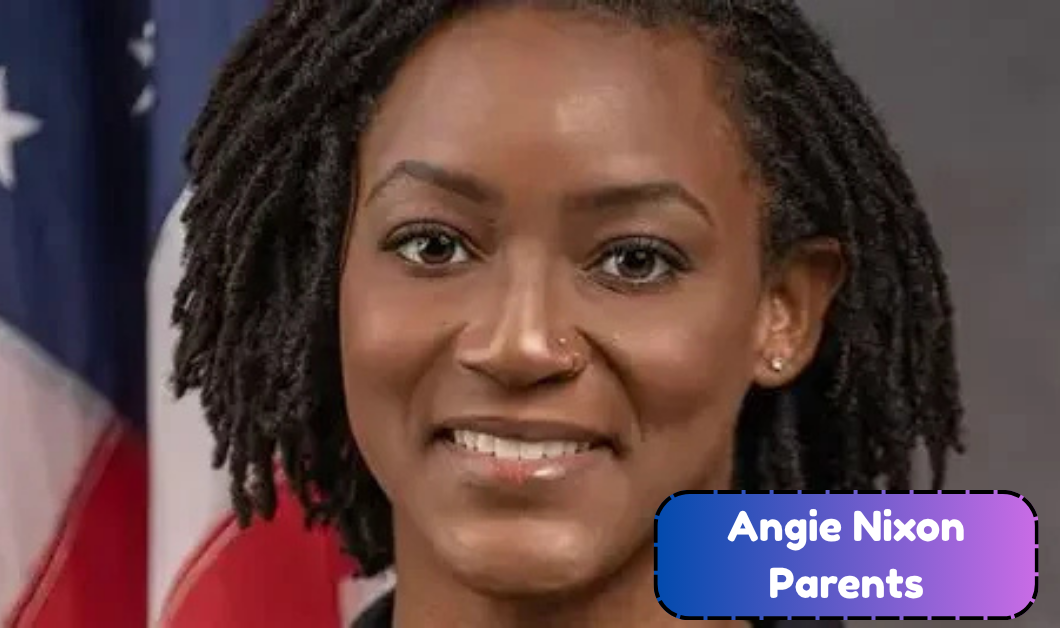
Angie Nixon’s journey into public life began long before she entered the Florida House of Representatives or became a candidate for the U.S. Senate.
Born and raised in Jacksonville, Florida, Nixon has often talked about the family circumstances and childhood experiences that shaped the way she sees work, education, community and public service. Her story is closely connected to her mother, her father and the challenges her family faced while she was growing up.
Her mother is identified as Earline Nixon, while her father is identified in biographical accounts as Anthony Nixon. Nixon has spoken much more extensively about her mother’s role in her childhood than about her father, particularly when describing the financial difficulties her family experienced.
One of the clearest details she has shared is that her mother worked two jobs to provide for Angie and her brother. Nixon has repeatedly connected that experience with the work ethic she developed as a child.
Her father, meanwhile, was an Army veteran. Nixon has described him as someone who was not always present during her childhood and has spoken publicly about domestic violence in the family home. In a 2026 interview, she described the difficult circumstances she witnessed as a child and explained how those experiences later influenced her advocacy.
Who Is Angie Nixon’s Mother, Earline Nixon?
Earline Nixon is described as the central figure in Angie’s childhood.
Nixon has repeatedly talked about watching her mother work hard to keep the family going. According to Nixon’s campaign biography, her mother worked two jobs to make sure Angie and her brother had enough to eat and the things they needed.
That experience left a lasting impression.
For Nixon, her mother’s work was not simply about earning a paycheck. It showed her what sacrifice looked like inside a working family. Her mother had responsibilities at home while also working long hours to provide for her children.
Nixon has connected this upbringing to her later interest in workers’ rights and organizing.
In an interview discussing her childhood, Nixon recalled that her mother was a union member. She remembered hearing conversations about strikes, workers and people crossing picket lines. Those experiences introduced her to the idea of collective action while she was still young.
That early exposure eventually became meaningful when Nixon began working as a union organizer as an adult.
What Is Known About Angie Nixon’s Father Anthony Nixon?
Angie Nixon’s father is identified as Anthony Nixon in some biographical accounts.
Compared with the information available about her mother, however, Nixon’s father has received much less attention in her official biographies.
Nixon has said that her father was an Army veteran. She has also described him as being in and out of the family’s life while she was growing up. In a 2026 podcast interview, she discussed his military background and said he had mental health issues that were not addressed. She also described domestic violence in the household.
Those experiences are part of Nixon’s own account of her childhood and should be understood as her recollection of family events.
She has explained that witnessing violence at home affected the way she viewed conflict and standing up for other people.
Rather than keeping those experiences entirely private, Nixon has connected them to her later work as a domestic violence advocate and to her broader approach to community organizing.
Nixon Grew Up in Jacksonville
Nixon is a longtime Jacksonville resident and describes herself as a native of the city.
Recent profiles have placed her childhood in Jacksonville’s historically Black Moncrief neighborhood. Her campaign also describes her as being born and raised in Jacksonville.
Her childhood was shaped not only by family circumstances but also by the conditions around her.
One example was her elementary education. Nixon has said she was bused across town because the school in her predominantly Black neighborhood did not have adequate resources.
That experience gave her an early understanding of how differences in public resources could affect children depending on where they lived.
Education later became an important part of her professional and political interests.
Her Mother’s Work Shaped Her View of Working Families
The story of Earline working two jobs has become one of the most frequently mentioned parts of Nixon’s biography.
Nixon has used the memory when discussing families who work hard but still struggle to cover basic expenses.
Her campaign biography says she saw her mother work two jobs to make sure she and her brother never went hungry.
That childhood experience is important because it helps explain why Nixon’s public career has included work on issues involving families, education, childcare and workers.
Before becoming a state representative, she worked as a community and union organizer. Her professional path was therefore connected to some of the same issues she had seen at home.
She has described her mother as a major influence on her understanding of solidarity and the importance of workers supporting one another.
Nixon Has Spoken About Domestic Violence in Her Childhood
One of the more difficult parts of Nixon’s family story involves domestic violence.
In a July 2026 interview, Nixon described growing up in a household where domestic violence occurred. She said her father was a military veteran and that he was abusive toward her mother. She also described witnessing a particularly traumatic incident involving her parents when she was young.
These are serious personal recollections that Nixon herself has shared publicly.
She has said that witnessing violence affected her deeply and contributed to her determination to speak up when she sees people being mistreated.
Her later work has included advocacy connected to domestic violence, giving those childhood experiences a clear place in her public biography.
Her Family Relied on Each Other During Difficult Periods
Nixon’s childhood was not defined only by hardship.
She has also talked about the importance of family and community in helping people get through difficult circumstances.
When family life was unstable, extended relatives played an important role. Her childhood story reflects a wider theme that appears repeatedly in her public life: people often need a support network when one household cannot handle everything alone.
That idea later became part of her approach to community organizing.
Nixon has frequently emphasized the importance of people helping one another, particularly working families facing financial pressure or limited access to resources.
Her Parents’ Influence Continued Into Adulthood
The lessons Nixon took from her parents did not disappear when she left home.
After graduating from the University of Florida in 2007, she moved into community organizing and later became involved in union organizing. She eventually served as executive director of Florida for All before winning a seat in the Florida House in 2020.
Her political career has been shaped by many experiences, including education disparities, economic struggles and the loss of a close cousin to gun violence.
But when Nixon talks about where her motivation began, her mother’s example frequently comes up.
Watching Earline work two jobs gave her an early understanding of how much effort some families put in simply to make ends meet.
Angie Nixon’s Education and Jacksonville Roots
Nixon attended Stanton College Preparatory School in Jacksonville before graduating from the University of Florida in 2007.
Her path through education was notable because of the contrast between the schools available to her at different points in childhood.
She has spoken about being bused away from her neighborhood elementary school because of inadequate resources. Later, she attended a competitive college-preparatory high school and went on to university.
Those experiences helped shape her understanding of education as a major opportunity for young people.
Her Jacksonville roots have remained important throughout her career, even as her work expanded across Florida.
Why Angie Nixon Talks About Her Parents
For Nixon, discussing her parents is not simply about giving background information.
Her family story is part of how she explains her values.
Her mother’s long hours at work represent the sacrifices made by working parents. Her father’s military service and the difficult circumstances surrounding her childhood are part of the personal experiences she says shaped her views on violence, mental health and advocacy.
At the same time, her upbringing exposed her to the importance of community support.
These experiences became particularly relevant when she entered organizing and later public office.
The Family Story Behind Angie Nixon’s Career
Angie Nixon’s public career has taken her far beyond the Jacksonville neighborhood where she grew up.
She became a community organizer, union organizer, small-business owner and Florida state representative. In 2026, she also became the Democratic nominee for the U.S. Senate in Florida after winning her party’s primary.
Her political future will ultimately be decided by Florida voters, but her family background is already an important part of her biography.
The story begins with a mother who worked two jobs to provide for her children, a father who served in the Army, and a childhood that Nixon has described as difficult and at times marked by domestic violence.
Those experiences do not tell the whole story of who she is, but they help explain why Nixon frequently talks about working families, education, community support and standing up for people facing difficult circumstances.
For Nixon, the lessons of childhood have remained closely connected to the person she became as an organizer and public official.
Her mother’s example, in particular, remains one of the strongest themes in the story she tells about where she came from and why she chose a life in public service.