
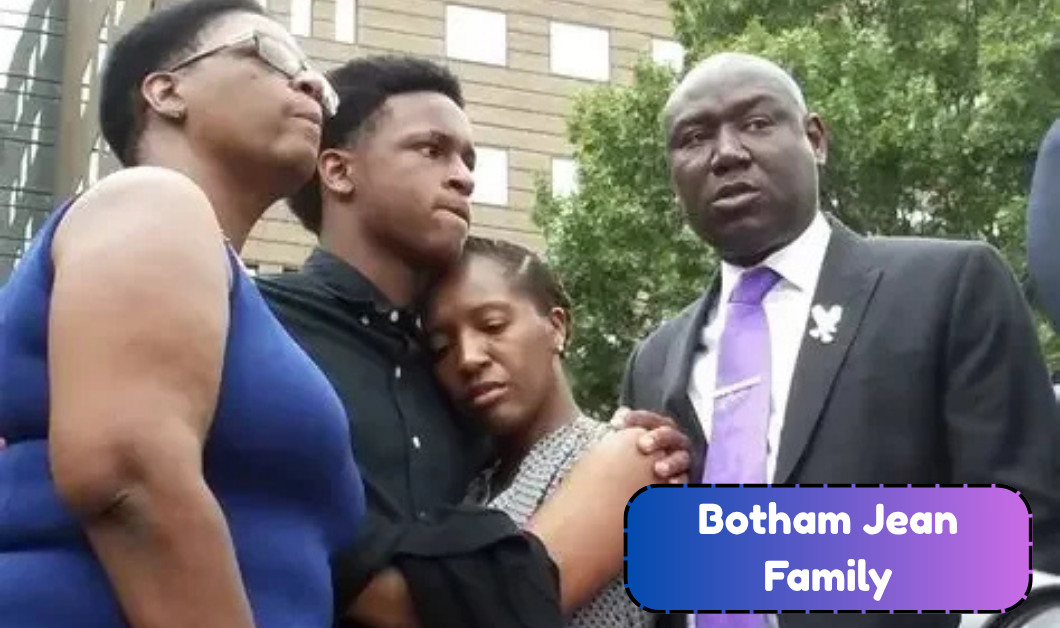
Botham Jean Family Opposed Parole as Amber Guyger Wins Release After Seven Years
Former Dallas police officer Amber Guyger has been granted parole after serving seven years of a 10-year prison sentence for the 2018 murder of her neighbor, Botham Jean.
The Texas Board of Pardons and Paroles approved Guyger’s parole on Thursday, Oct. 1, 2026, nearly seven years after she was convicted of murder. The decision comes after the board rejected her first parole request in 2024. Jean’s family strongly opposed her release and had repeatedly asked that she serve the full sentence imposed by the court.
Guyger’s case has remained one of the most closely watched police shooting cases in Texas because of the unusual circumstances surrounding Jean’s death. Guyger entered the apartment directly above her own, believing she was entering her home, and shot Jean after mistaking him for an intruder.
Jean, a 26-year-old accountant originally from St. Lucia, was inside his apartment when he was killed.
Amber Guyger’s Parole Has Been Approved
The Texas Board of Pardons and Paroles said it reviewed a large amount of information before reaching its decision. According to the board, Guyger did not have a documented pattern of violent or assaultive arrests or convictions.
The board also pointed to Guyger’s participation in prison programs and her efforts to prepare for employment after release. Officials said she completed programs included in her prison treatment plan and maintained what they described as a satisfactory institutional adjustment.
The board’s decision means Guyger will be eligible to leave prison on parole, although the exact release date had not immediately been announced. The Texas Department of Criminal Justice will determine when she is released.
The decision is a major development in a case that has generated years of discussion about police accountability, race and the criminal justice system.
Why Amber Guyger Was Sentenced to 10 Years
Guyger was convicted of murder in October 2019 for the September 2018 shooting death of Botham Jean.
At the time of the shooting, Guyger was a Dallas police officer who had finished a long shift. She returned to the apartment building where she lived and went to the fourth floor, where Jean’s apartment was located.
Her own apartment was on the third floor, directly below Jean’s.
During her trial, Guyger testified that she believed she was entering her own apartment. She said the door was unlocked and that she thought Jean was an intruder when she encountered him inside.
She then drew her service weapon and fired.
Jean was eating ice cream inside his home when he was shot. He died from his injuries.
Guyger’s explanation became a central part of the trial because of the highly unusual circumstances. Prosecutors argued that the evidence supported a murder conviction, while Guyger’s defense centered on her claim that she mistakenly entered the wrong apartment.
A jury ultimately found her guilty of murder. She was sentenced to 10 years in prison.
Guyger was also fired from the Dallas Police Department following the shooting.
Botham Jean’s Family Opposed the Parole Decision
The parole decision was strongly opposed by Jean’s family.
Civil rights attorney Lee Merritt, who has represented the Jean family, said the family had repeatedly asked for Guyger to serve the complete sentence.
Merritt said the 10-year sentence itself represented only a fraction of the loss suffered by Jean’s family and argued that releasing Guyger after seven years made the sentence feel even smaller.
The family had also opposed Guyger’s earlier parole request in 2024, which was rejected by the board. Thursday’s decision came when Guyger was again eligible for consideration.
The disagreement highlights the difference between the parole system’s review of an incarcerated person’s record and the continuing grief of a victim’s family.
For the Jean family, the case has never simply been about a prison sentence. Botham’s death ended the life of a young man who had built a career in Dallas after growing up in St. Lucia.
Who Was Botham Jean?
Botham Shem Jean was 26 when he was killed.
He was from St. Lucia and had moved to the United States, where he developed a career as an accountant. People who knew him described him as a young professional with strong connections to his family and community.
His death received national attention because he was a Black man killed inside his own apartment by a white police officer.
The circumstances also made the case unusual. Jean was not being investigated by police or involved in a confrontation when he was shot. He was at home when Guyger entered the apartment.
The case became part of a larger national conversation about police shootings involving Black Americans and questions surrounding accountability when officers use deadly force.
The Emotional Moment at Guyger’s Sentencing
Guyger’s sentencing hearing in 2019 included one of the most widely discussed courtroom moments of the case.
After Guyger was sentenced, Jean’s younger brother, Brandt Jean, approached her and embraced her.
The moment was especially striking because Brandt was the brother of the man Guyger had killed. He told her that he forgave her and expressed a desire for her to turn to God.
The judge presiding over the case, Tammy Kemp, also approached Guyger and embraced her after the hearing. The judge, who is Black, gave Guyger a Bible and spoke to her about faith.
The scene quickly spread beyond the courtroom and generated a wide range of reactions. Some viewed the gestures as expressions of forgiveness, while others questioned the appropriateness of such an emotional interaction during a murder sentencing.
Regardless of the differing reactions, the courtroom moment became one of the defining images associated with the case.
Nearly $100 Million Civil Verdict
Guyger’s criminal conviction was not the end of the legal proceedings surrounding Jean’s death.
In November 2024, a federal jury awarded Jean’s family and estate approximately $98.65 million in damages in a civil case against Guyger. The jury found that she had used excessive force and violated Jean’s constitutional rights.
The verdict included compensatory and punitive damages. Reports at the time said the family had sought a smaller amount.
The civil case was separate from Guyger’s criminal prosecution. The criminal case resulted in her 10-year prison sentence, while the federal civil proceeding focused on financial damages and constitutional rights.
The large verdict added another significant chapter to the legal history of the Jean family.
What the Parole Board Considered
The Texas Board of Pardons and Paroles said its decision was based on information concerning Guyger’s record and conduct while incarcerated.
Among the factors cited by the board were her lack of a documented pattern of violent or assaultive arrests or convictions, her participation in prison treatment programs and her preparation for employment after release.
The board also said Guyger maintained a satisfactory institutional adjustment.
Parole does not erase Guyger’s murder conviction or the 10-year sentence imposed in 2019. Rather, it allows her to serve the remainder of her sentence under supervision outside prison, subject to the conditions of her parole.
The exact timing of her release remains with the Texas Department of Criminal Justice.
A Case That Continues to Draw National Attention
Guyger’s parole is likely to renew discussion about the circumstances of Jean’s death and the criminal justice response that followed.
The case involved an unusual mistake inside an apartment building, but its impact extended far beyond the Dallas community. Jean’s death became part of broader conversations about race, policing and the treatment of victims’ families within the justice system.
The 2019 murder conviction, the 10-year prison sentence, the emotional courtroom scene and the nearly $100 million civil verdict have each kept the case in public view.
Now, Guyger’s parole adds another major development.
For the Jean family, however, the parole decision does not change what happened in September 2018. Botham Jean was killed inside the place where he should have been safest, his own home. His family has continued to speak publicly about his life and the lasting impact of his death.
As Guyger prepares for release under parole supervision, the legal chapter involving her imprisonment is moving toward its next stage. The questions surrounding Jean’s death and the broader issues raised by the case will likely continue to be discussed long after Guyger leaves prison.